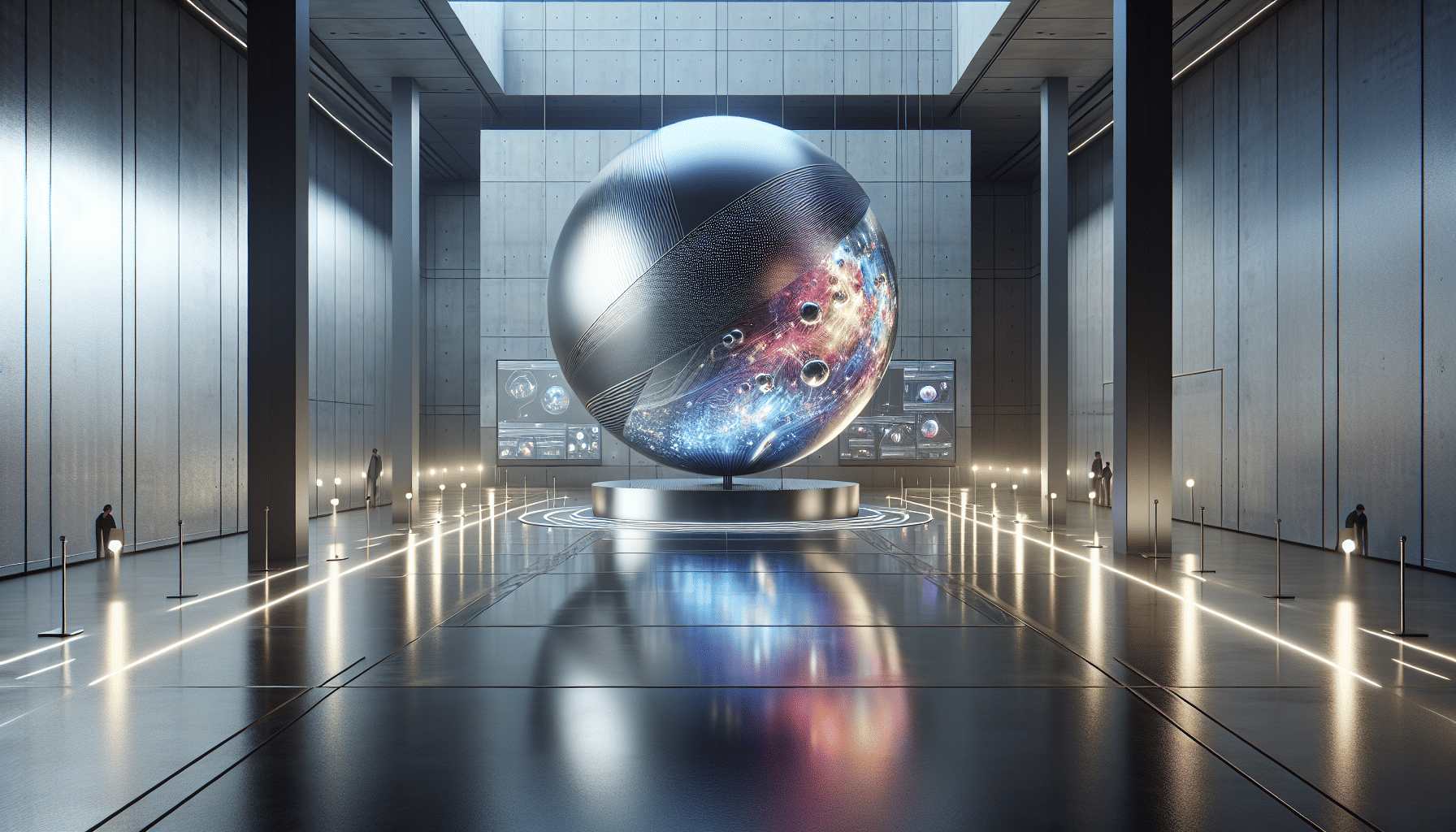
In an era defined by rapid technological advance and boundless creativity, the intersection of art and innovation has never been more vibrant. The digital renaissance of the 21st century has ushered in a new age where artistic expression is augmented by technological prowess, transforming canvases into dynamic platforms of boundless potential, and creators into pioneers of cross-disciplinary exploration.
Imagine a world where traditional brushstrokes are replaced by algorithms, where sculptures are brought to life using augmented reality, and where collective human creativity is amplified by artificial intelligence. This fusion of art and innovation is not simply a transformation of materials but a redefinition of what it means to create, allowing artists to transcend the limitations of the physical world and explore infinite possibilities.
Central to this movement is the advent of virtual and augmented reality, technologies that are dissolving boundaries between the digital and physical realms. Artists are now crafting immersive experiences that transport audiences into surreal landscapes, where viewers can not only observe but interact with and influence their surroundings. Spectators can step into a digital Van Gogh painting and stroll amidst swirls of color or witness the ethereal beauty of a Dali-esque dreamscape unfolding around them.
Further amplifying this evolution is the role of artificial intelligence in art creation. With AI algorithms serving as collaborators, artists are finding themselves in a dialogue with machines that can generate ideas, suggest new techniques, and even autonomously create art pieces. These intelligent systems can analyze vast troves of historical art data, extracting stylistic nuances and blending genres in ways previously unimaginable. The results are artworks that transcend human limitations, offering unique perspectives and novel interpretations of age-old themes.
Moreover, the integration of blockchain technology is revolutionizing how art is created, owned, and traded. Non-fungible tokens (NFTs) are establishing new paradigms for digital ownership, opening avenues for protecting and monetizing digital creations while ensuring provenance and rarity. This has empowered artists to reach a global audience directly, reducing dependency on traditional gatekeepers and democratizing access to both creation and consumption of art.
At the heart of this innovative canvas is an unwavering commitment to storytelling. As artists harness these emerging technologies, they are not just creating new forms of art; they are generating compelling narratives that reflect the complexities and wonders of the modern world. Whether it's by highlighting social issues through powerful VR installations or fostering global connections in virtual galleries, these innovators are reminding us that, despite technological advancements, at its core, art is about human experience and connection.
The boundaries of art are expanding, prompting us to ask critical questions about the future: How will artificial intelligence redefine creativity? Can digital art fully resonate in the human soul as traditional art does? As we gaze into this brave new artistic future, one thing remains certain: the innovation canvas is a testament to human ingenuity and our relentless pursuit of beauty, understanding, and expression in a rapidly changing world. Through the marriage of technology and creativity, we are not merely observing the emergence of new art forms but are active participants in shaping the narrative of our collective human experience.