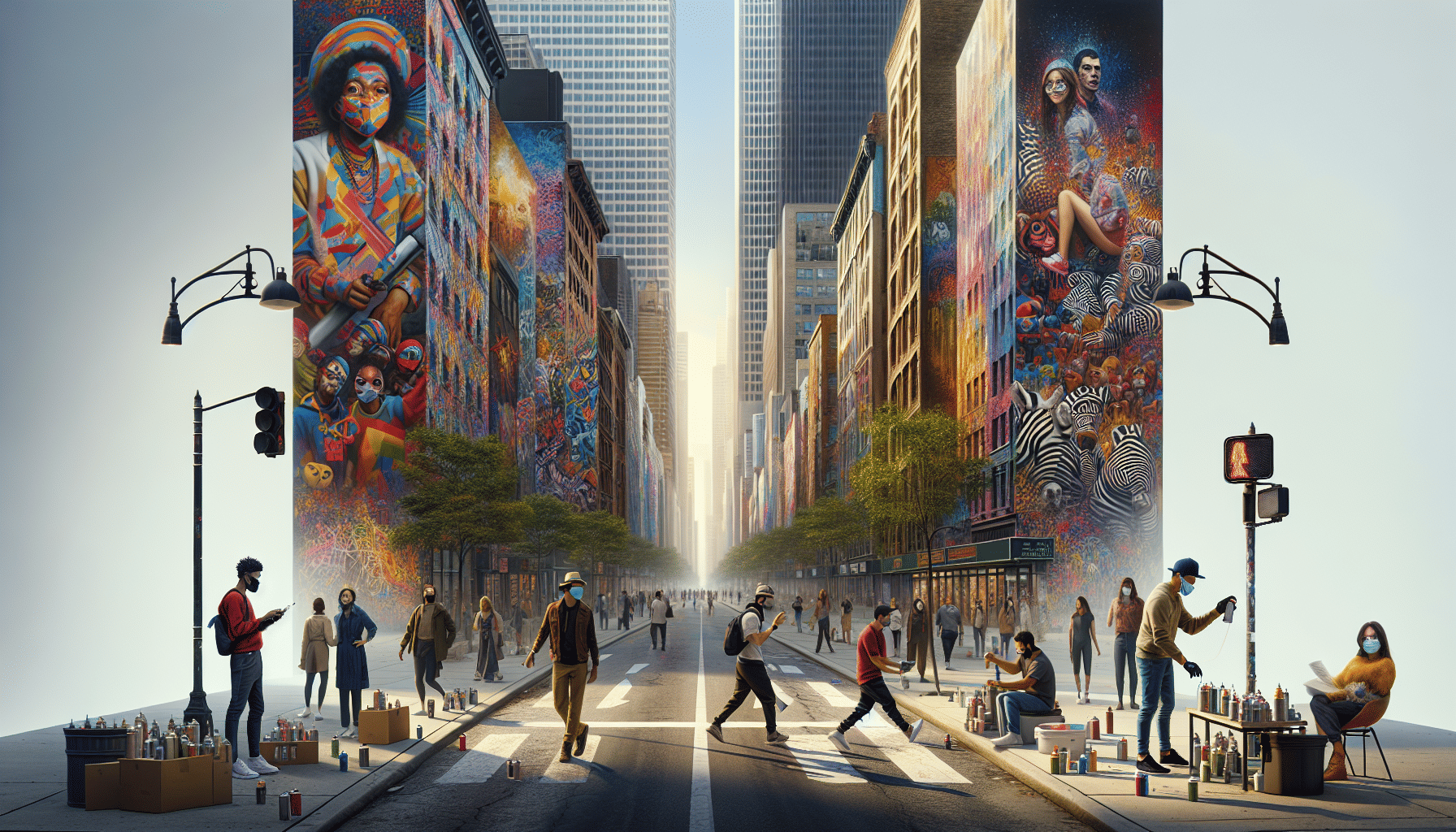
In the bustling heart of cities worldwide, amidst the towering skyscrapers and honking vehicles, lies a rebellion of colors and forms—street art. Often dismissed as mere graffiti, street art has evolved into a recognized form of expression, transforming public spaces into vibrant canvases that tell tales of culture, dissent, and imagination.
Street art serves as an unfiltered medium through which artists express narratives that might otherwise be marginalized in mainstream discourse. Through it, walls speak, alleys become galleries, and urban landscapes turn into open-air museums. The stories hidden within the strokes and hues are as rich and diverse as the cities themselves.
One of the most compelling aspects of street art is its accessibility. Unlike traditional art housed in galleries and museums, street art does not charge entry fees, nor does it demand an understanding of art history. It is art for the people—by the people—seizing space in the urban sprawl to share messages meant to provoke thought, evoke emotion, and inspire change.
Take the iconic works of Banksy, whose anonymous status elevates the power of his imagery. His poignant stencils like "Girl with a Balloon" or "There Is Always Hope" pierce societal consciousness, speaking to complex issues such as consumerism, war, and poverty with simplicity and wit. Each piece's public placement invites viewers from all walks of life to ponder and interpret its meaning, fostering a community dialogue about the shared, often unspoken narratives that shape society.
However, street art is not limited to political commentary. It is a diverse and multicultural art form that celebrates identity, heritage, and community. In Los Angeles, the vibrant murals of the Chicano movement paint a story of cultural pride and resilience. These artworks honor Mexican-American history while also addressing contemporary issues of immigration and discrimination. Similarly, the kaleidoscopic colors of Rio de Janeiro's favelas highlight tales of joy and struggle, embracing cultural traditions and community life.
The ephemeral nature of street art is another element that contributes to its allure. Unlike the permanence of a painting preserved on canvas, street art exists at the mercy of time and the elements. This temporality imbues each piece with a sense of urgency and intimacy—moments captured in the ever-ticking clock of urban life. As seasons change, so too do the walls, accruing layers of art and stories, each one building upon its predecessors to create a historical tapestry of public sentiment.
Notably, cities around the world have begun to recognize the intrinsic value of street art, commissioning artists to enliven spaces with their visions. Initiatives like the Wynwood Walls in Miami and the Berlin Wall's East Side Gallery demonstrate a shift toward embracing street art as a critical contribution to urban aesthetic and cultural dialogue. These projects not only attract tourism but also enrich the local fabric, providing platforms for artists to showcase their talent and engage with broad audiences.
Ultimately, street art empowers voices that might otherwise remain unheard, transforming mundane environments into spaces of contemplation, resistance, and beauty. It reflects the collective soul of the urban landscape—a testament to the creativity, struggles, and aspirations that define humanity within the sprawling cityscape. By unveiling the stories behind street art, we better understand the diverse voices and vibrant visions that shape our world, challenging us to see our surroundings through new, colorful lenses.