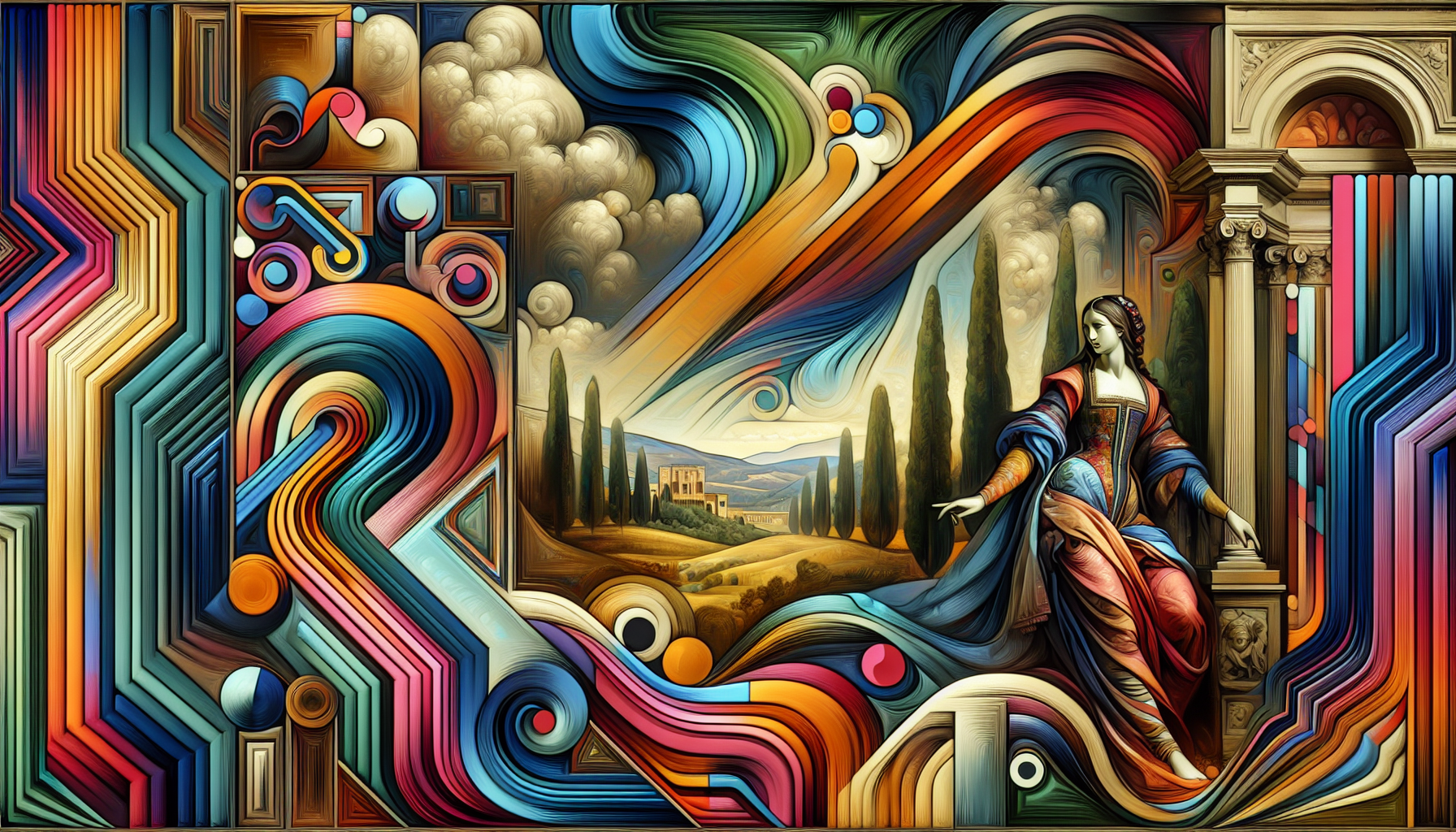
The Renaissance period, which spanned from the 14th to the 17th century, marked a pivotal era in art and culture by reviving classical knowledge and artistic techniques. Today, in our rapidly advancing society, there is a growing fascination with this iconic period, leading to a Renaissance revival that marries traditional practices with modern innovation. This fusion not only honors the past but also breathes new life into the timeless masterpieces that have inspired generations.
At the heart of this revival is a deep respect for the traditional techniques and philosophies that defined the original Renaissance art. Artists today are returning to the roots of realistic expression, studying the meticulous brushwork and perspective used by the greats like Leonardo da Vinci, Michelangelo, and Raphael. However, they are infusing these techniques with contemporary themes and technologies, creating works that resonate with today's audiences while preserving the integrity of Renaissance art.
One exciting development is the use of digital technology to reinterpret classic masterpieces. Artists are employing virtual reality (VR) and augmented reality (AR) to offer immersive experiences that bring to life the depth and detail of Renaissance works. These tools allow viewers to step inside a painting, explore its every nuance, and even interact with its characters. This not only broadens accessibility but also redefines the way we engage with art, making it a more dynamic and interactive experience.
In addition, there is a noticeable trend of incorporating modern materials and methods into Renaissance-style painting and sculpture. Contemporary artists, for instance, are using sustainable materials and innovative techniques such as 3D printing to create sculptures that capture the essence of Renaissance humanism. These pieces reflect a harmonious blend of old and new, where the eternal beauty of the past meets the progressive ethos of today.
Surrounding this artistic renaissance is a cultural movement that re-examines the roles of gender, identity, and multicultural influences in art. Today's artists are challenging the Eurocentric perspectives that dominated the original Renaissance by incorporating diverse influences and narratives. By infusing their work with elements from various cultures, these artists are expanding the boundaries of Renaissance-style art and making it more inclusive.
Education plays a crucial role in this revival. Art schools and museums are increasingly offering programs that teach the fundamental skills of Renaissance art, from anatomy to chiaroscuro, while encouraging students to apply these lessons in innovative ways. Through workshops, collaborative projects, and exhibitions, emerging artists are inspired to explore new media and concepts, contributing to an ever-evolving interpretation of Renaissance art.
Moreover, collaboration between artists, historians, and technologists is sparking new dialogues about the role of art in society. These interdisciplinary efforts strive to not only recreate the aesthetic beauty of the past but also to address contemporary issues and inspire reflection and change. Art becomes a powerful tool for education, empathy, and social commentary.
In conclusion, the Renaissance revival signifies a transformative period in the art world. By merging the rich heritage of the past with the cutting-edge advancements of the present, a new wave of creativity is emerging. This movement honors the timeless beauty and profound genius of the Renaissance masters while inviting a diverse array of voices and visions into the conversation. We are witnessing a dynamic rebirth that will undoubtedly influence art and culture for generations to come.